Reaiaty is the beginning of an extraordinary story with the earth and life
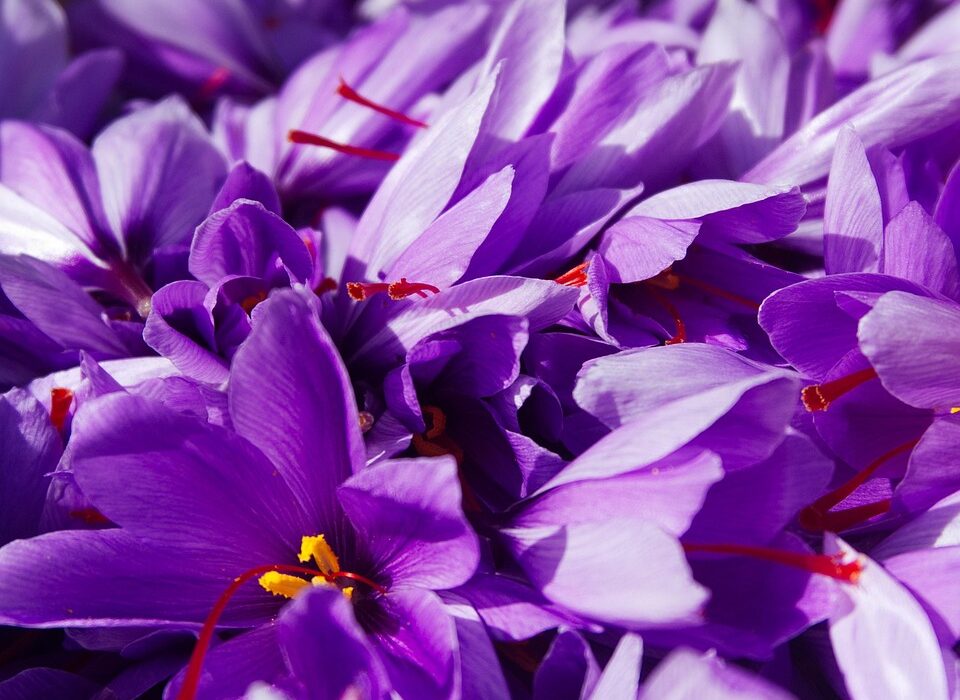
The Model Agricultural Project for the Production of Syrian Roses, Saffron, and Vegetable & Fruit Seedlings The project covers an area of approximately 272 dunams of fertile land and includes:
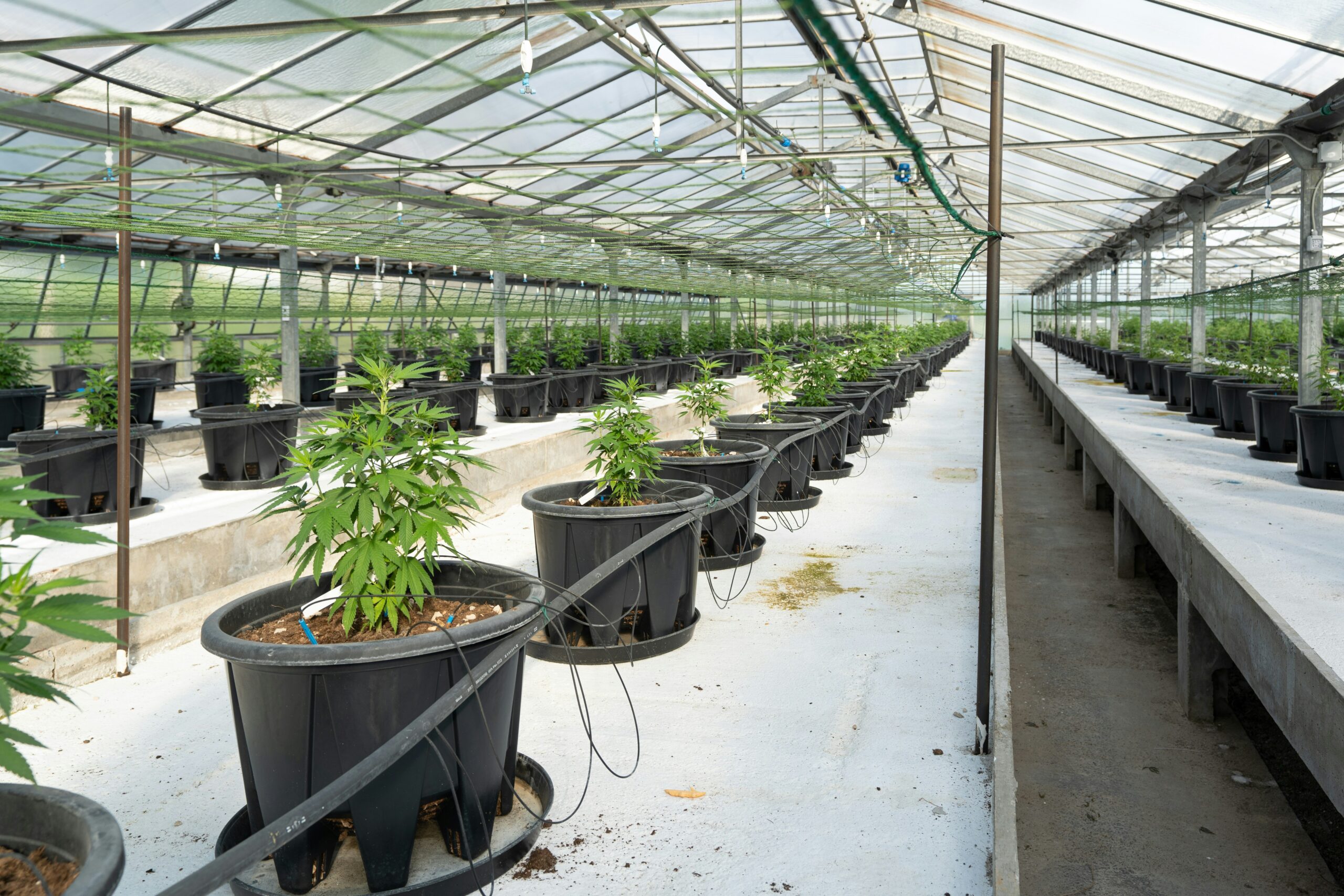
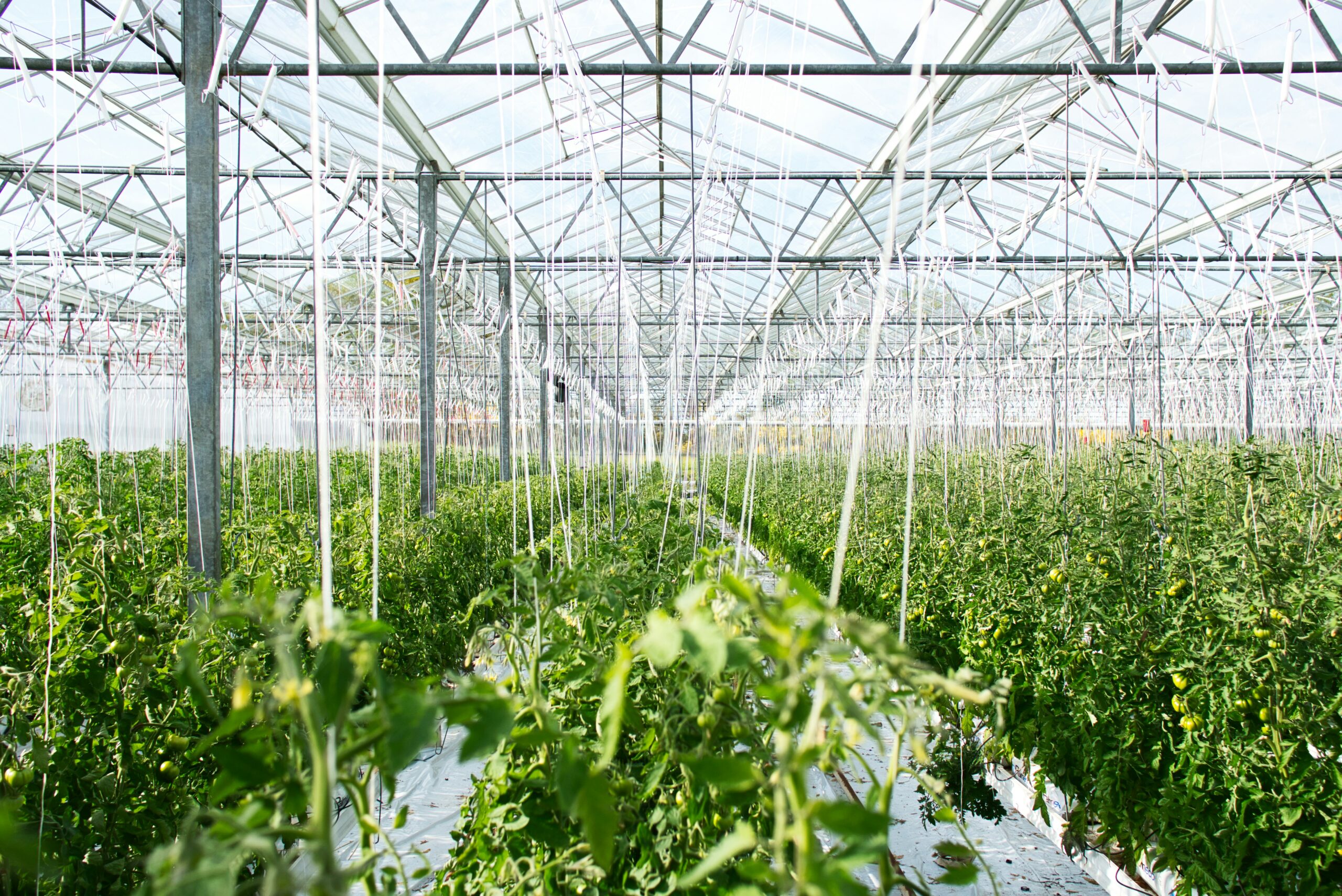
The Greenhouse
A fully equipped 4-dunam greenhouse for cultivation and seedling production.
Arable Land
50 dunams of segmented and prepared farmland ready for seasonal planting.
Seedling
We ensure scientific transplanting for healthy, productive seedlings
Olive Trees
Around 3,000 olive trees planted across the property.
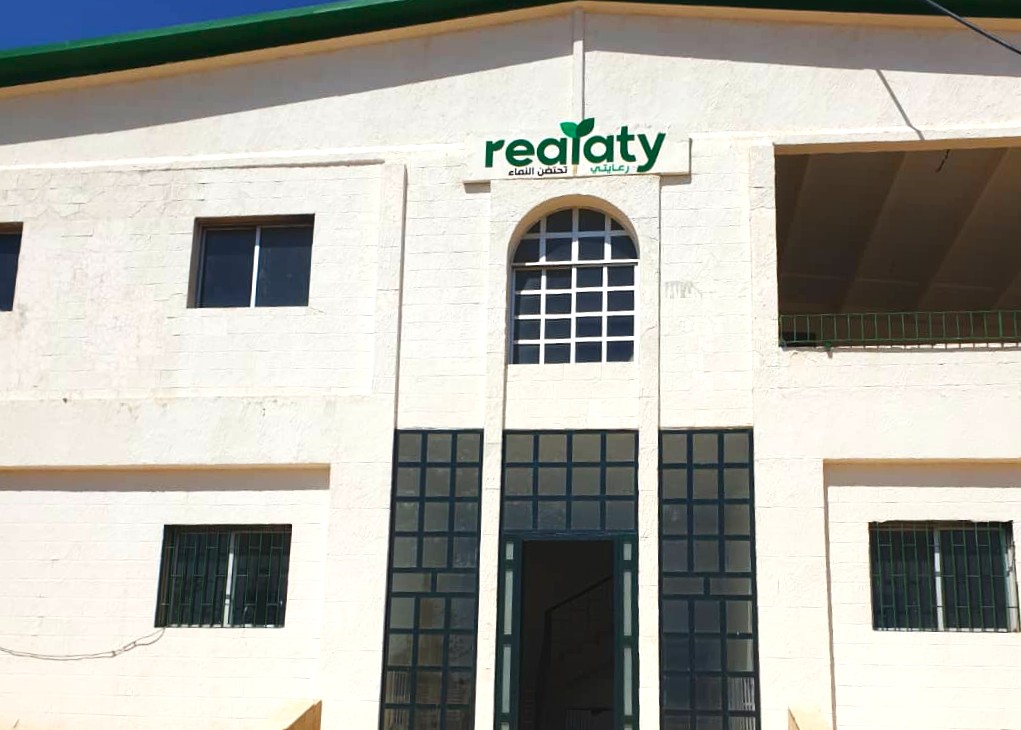
Administrative Building
A main administrative building and a storage facility for equipment and produce.
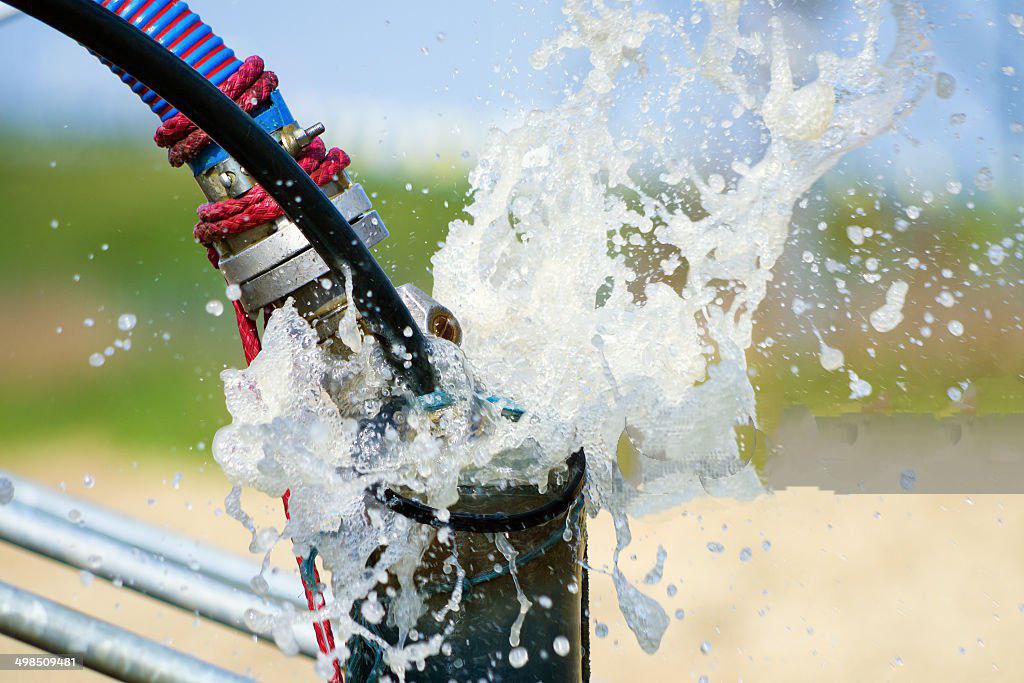
Water wells
An integrated irrigation system fed by on-site wells, ensuring year-round agricultural stability
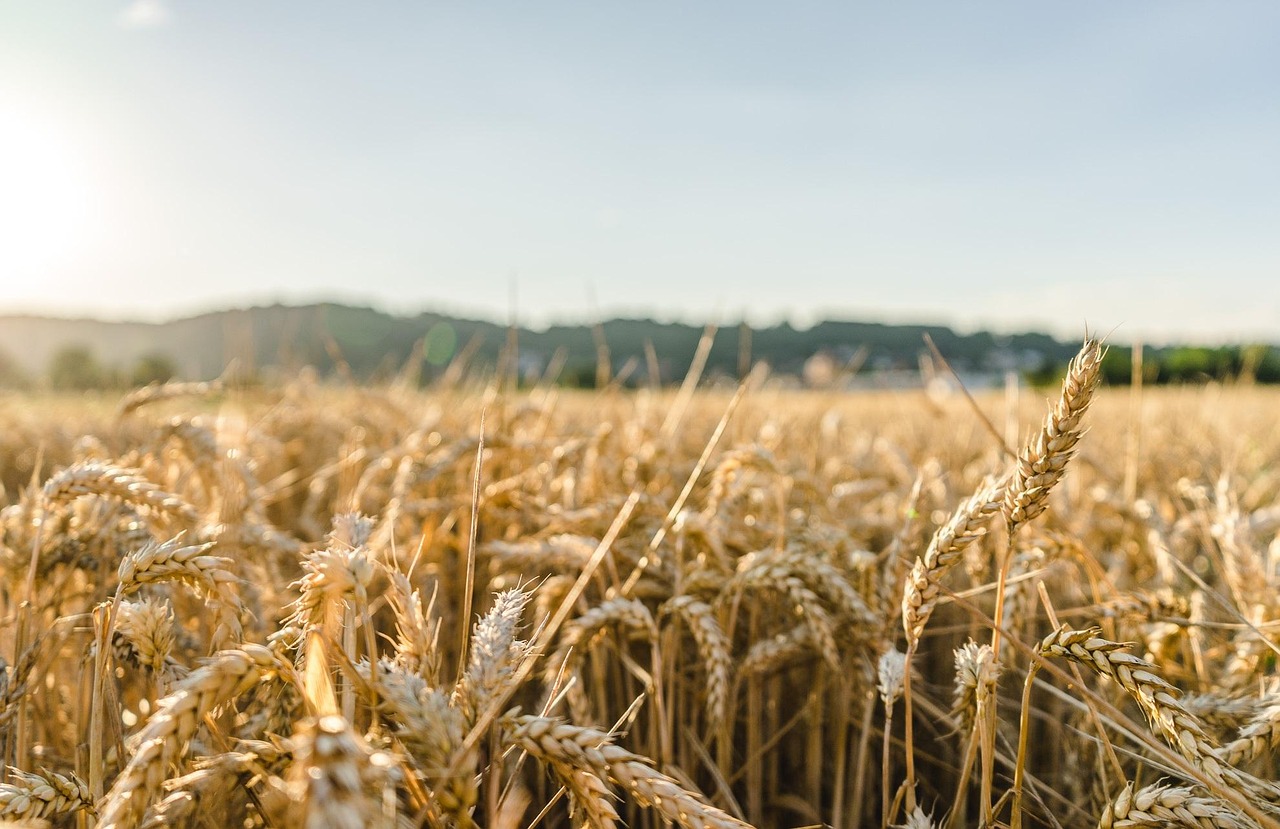
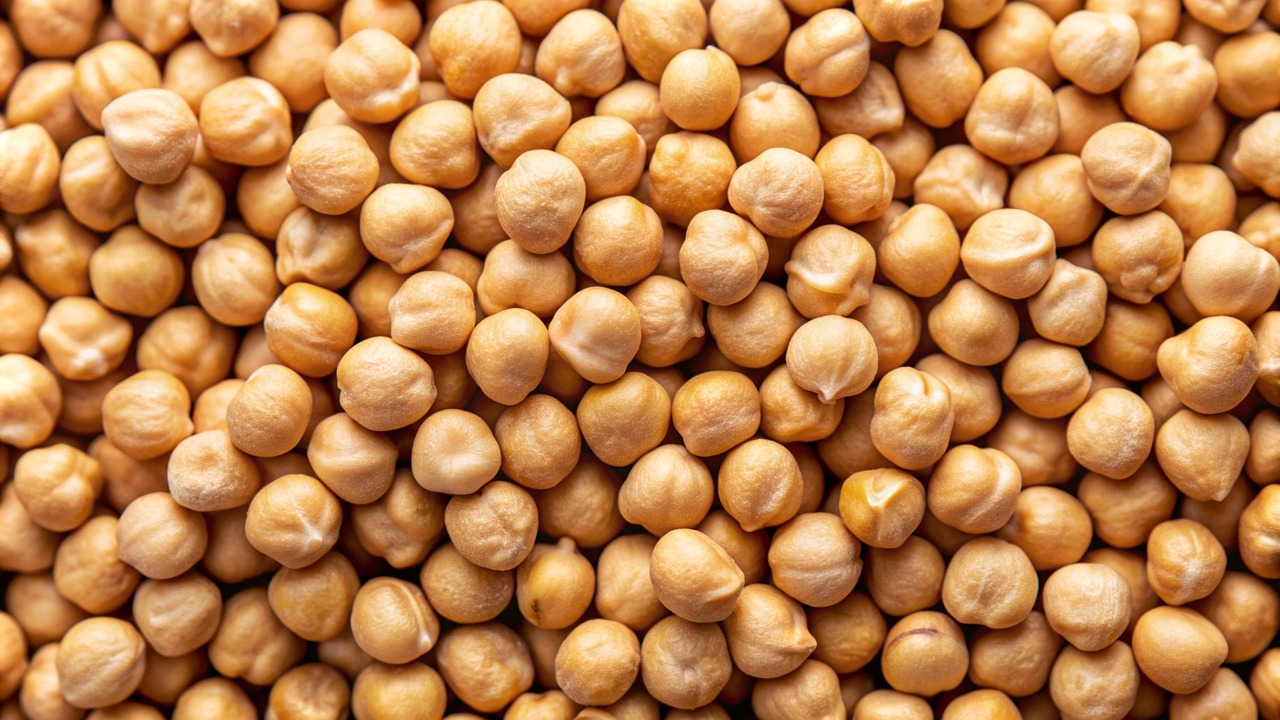
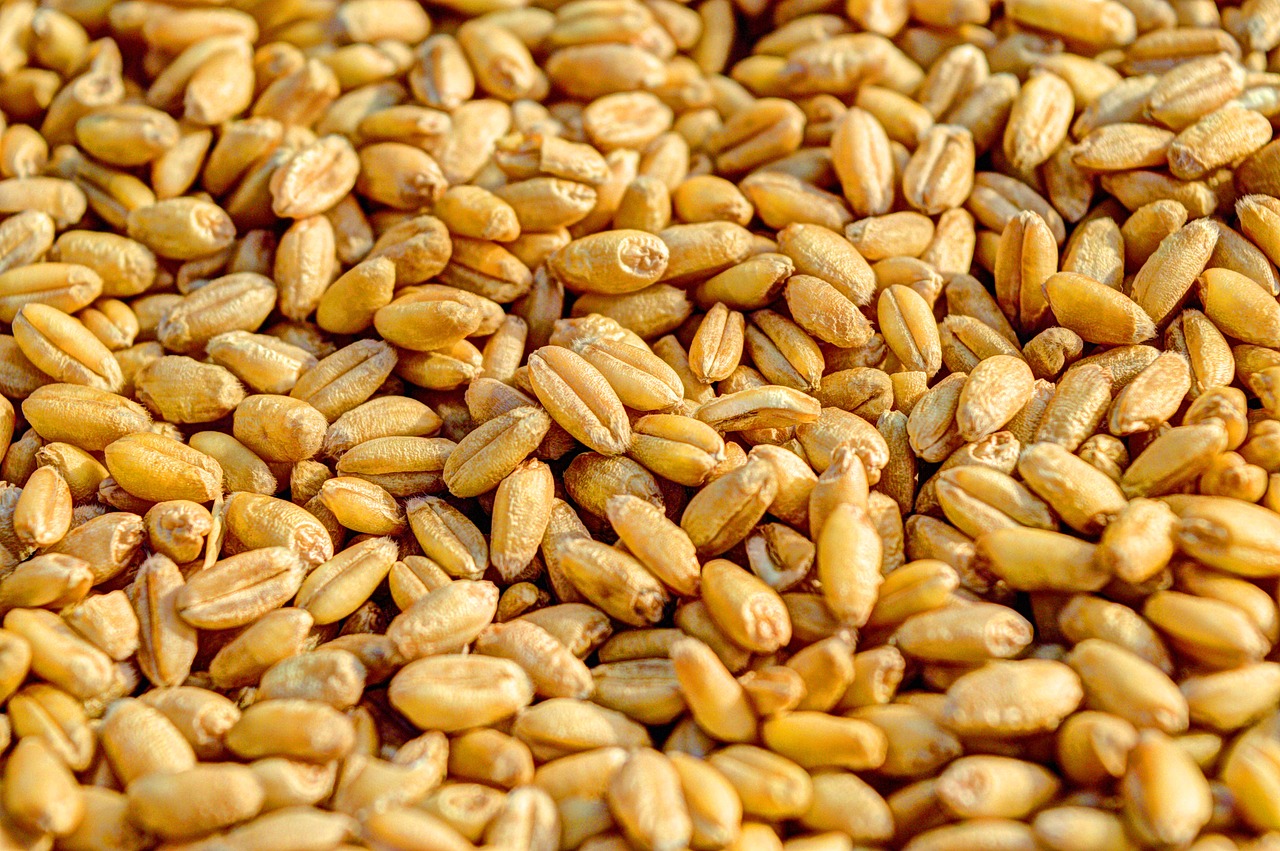
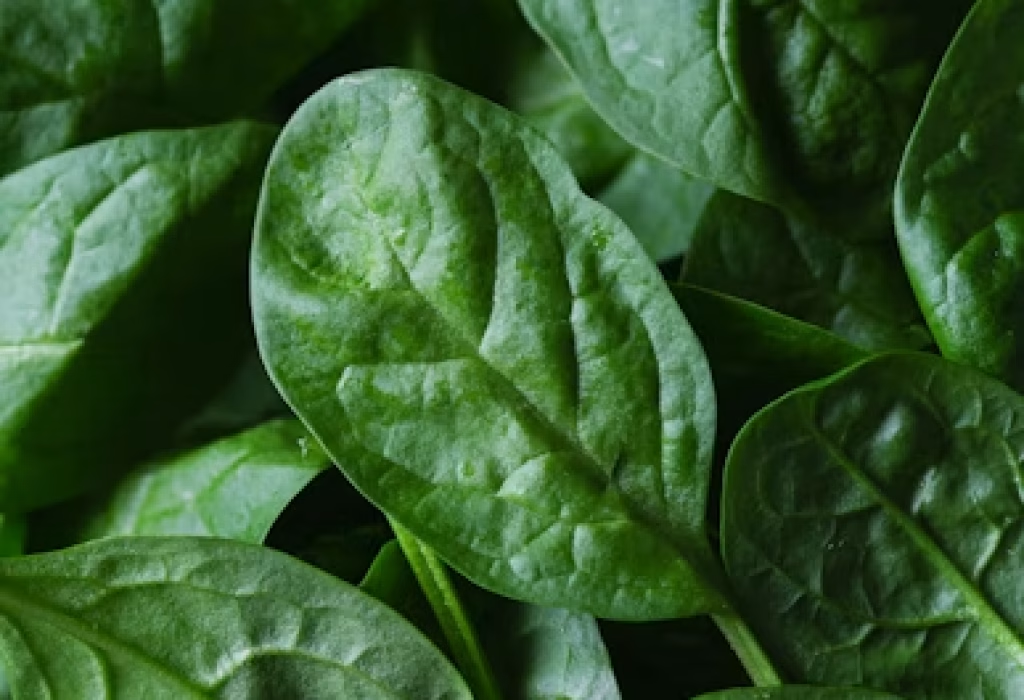
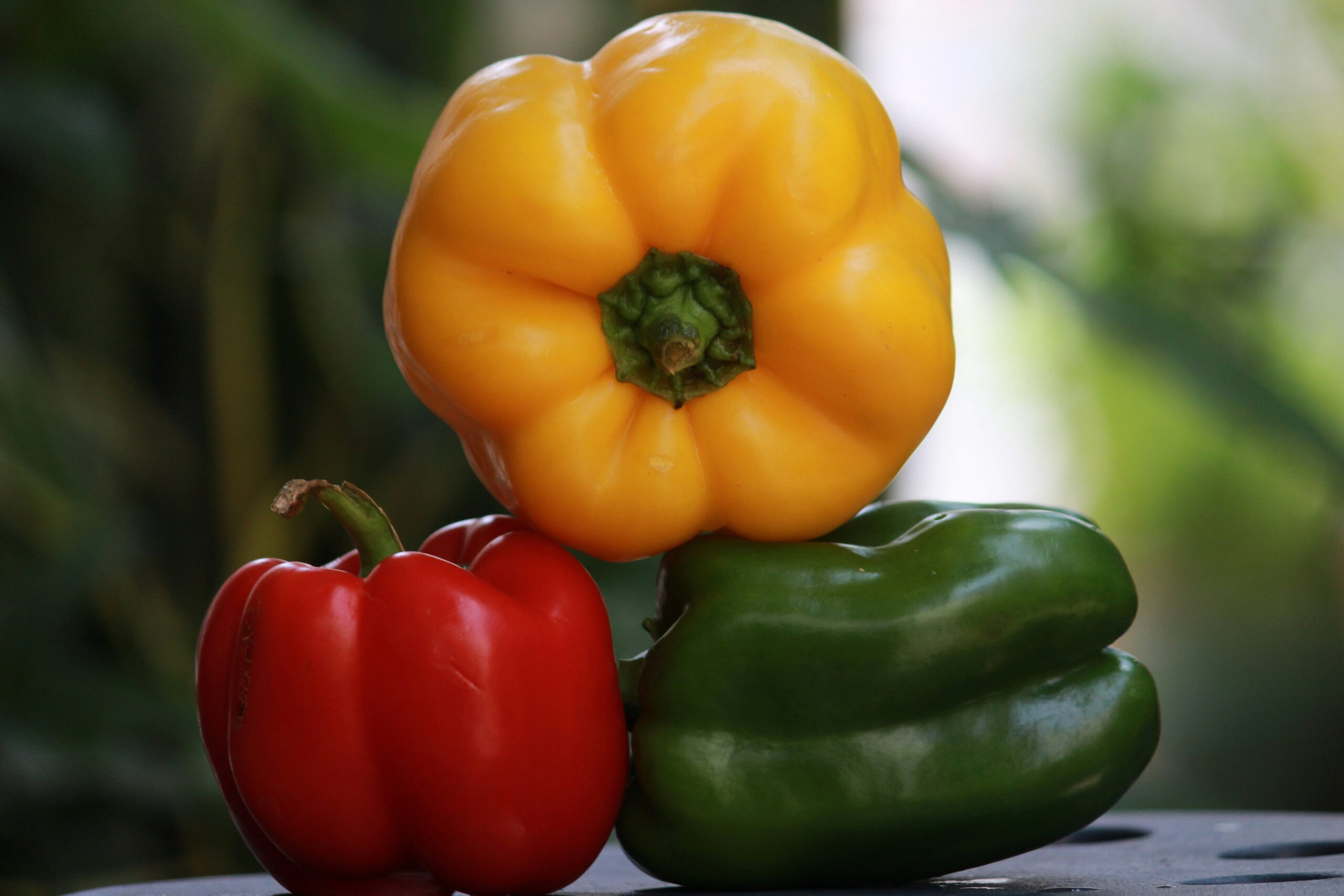
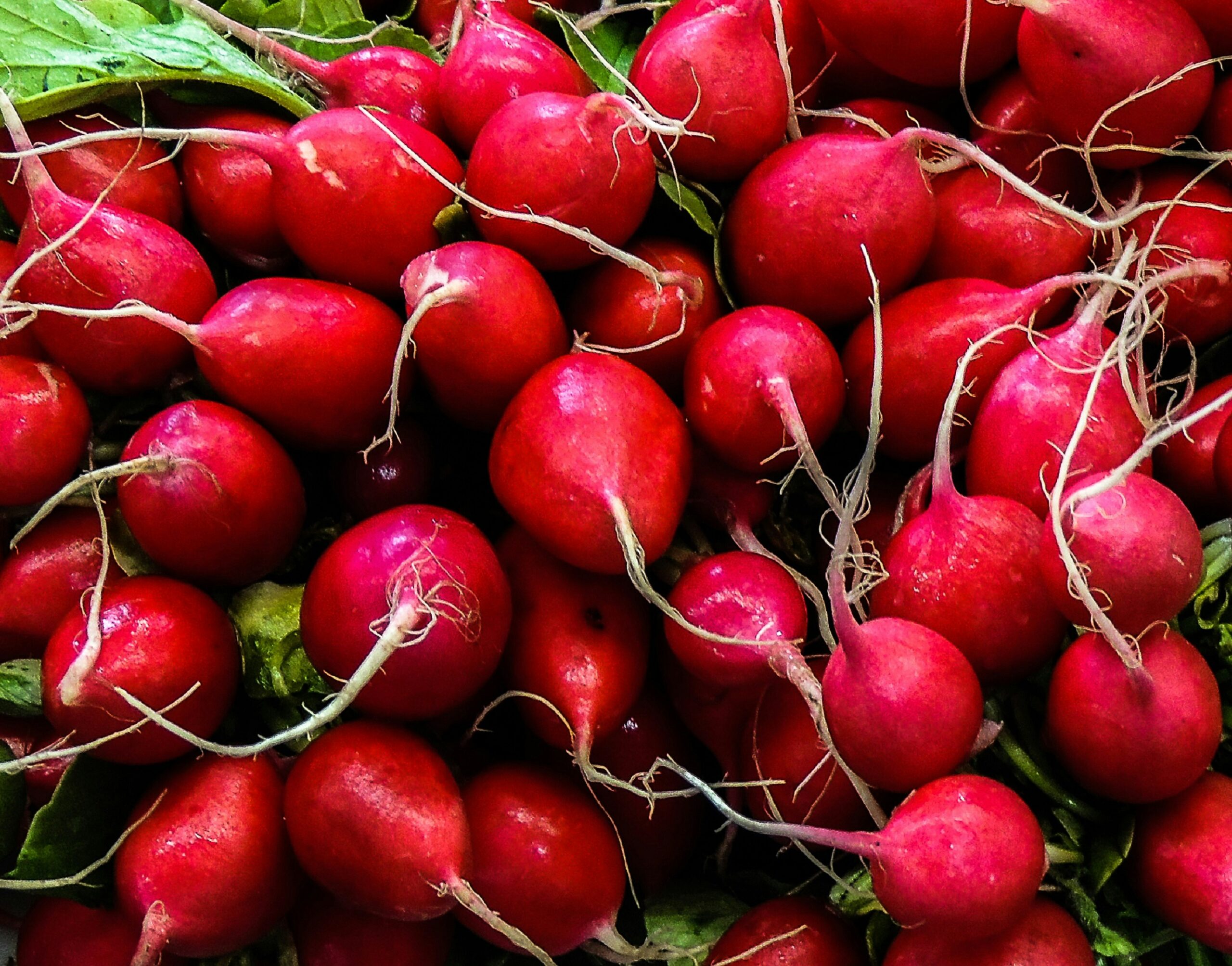
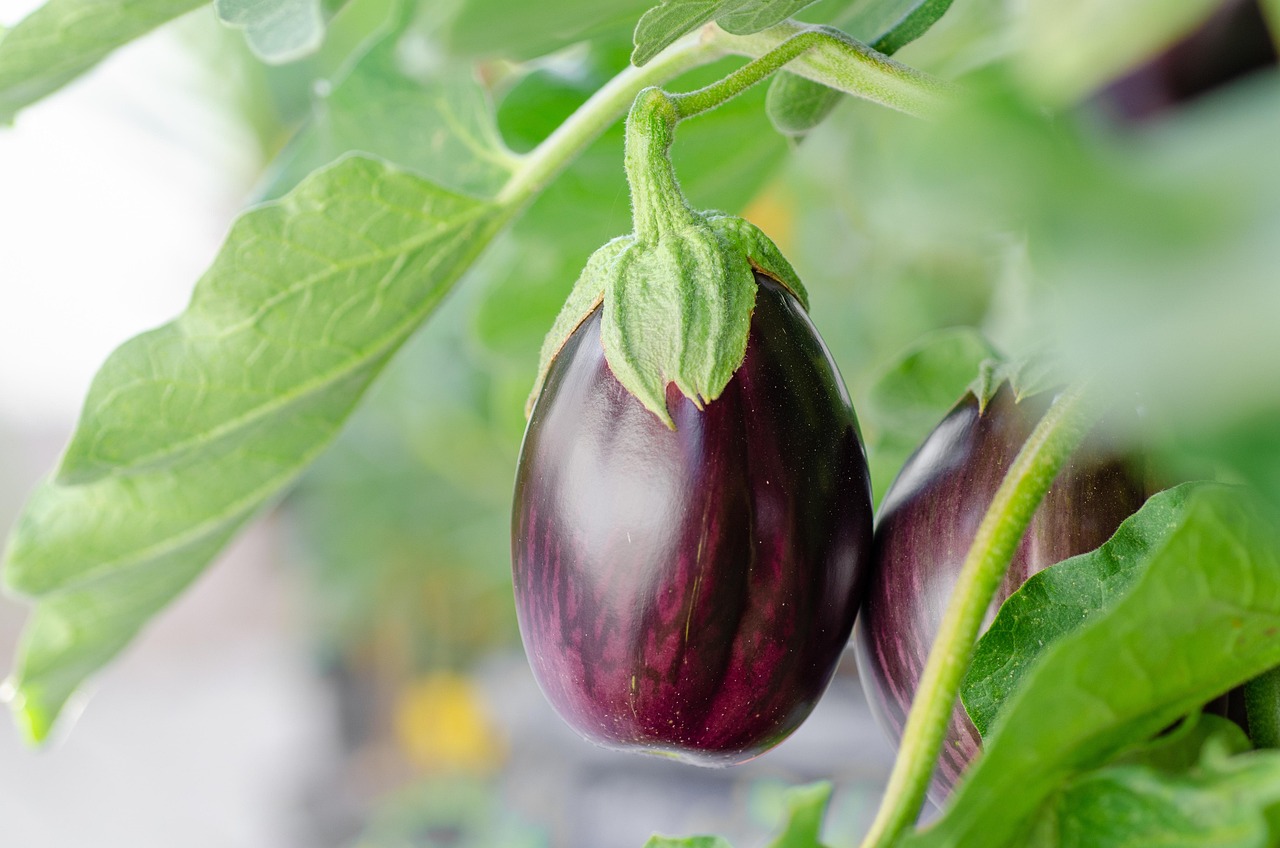
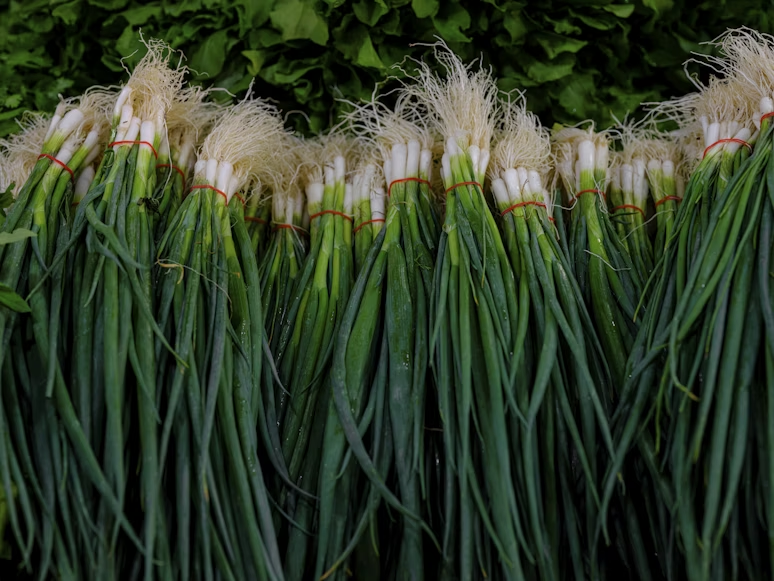
Agricultural crops
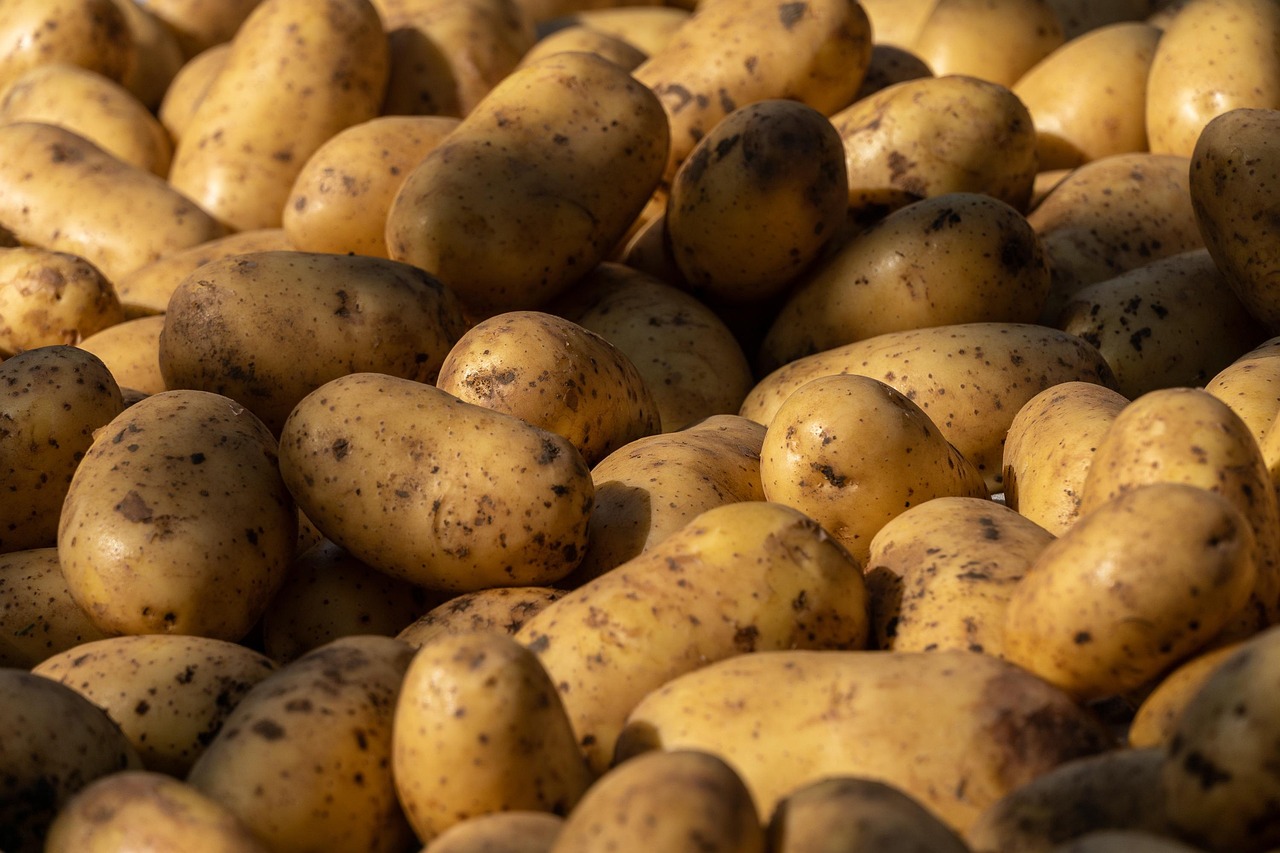
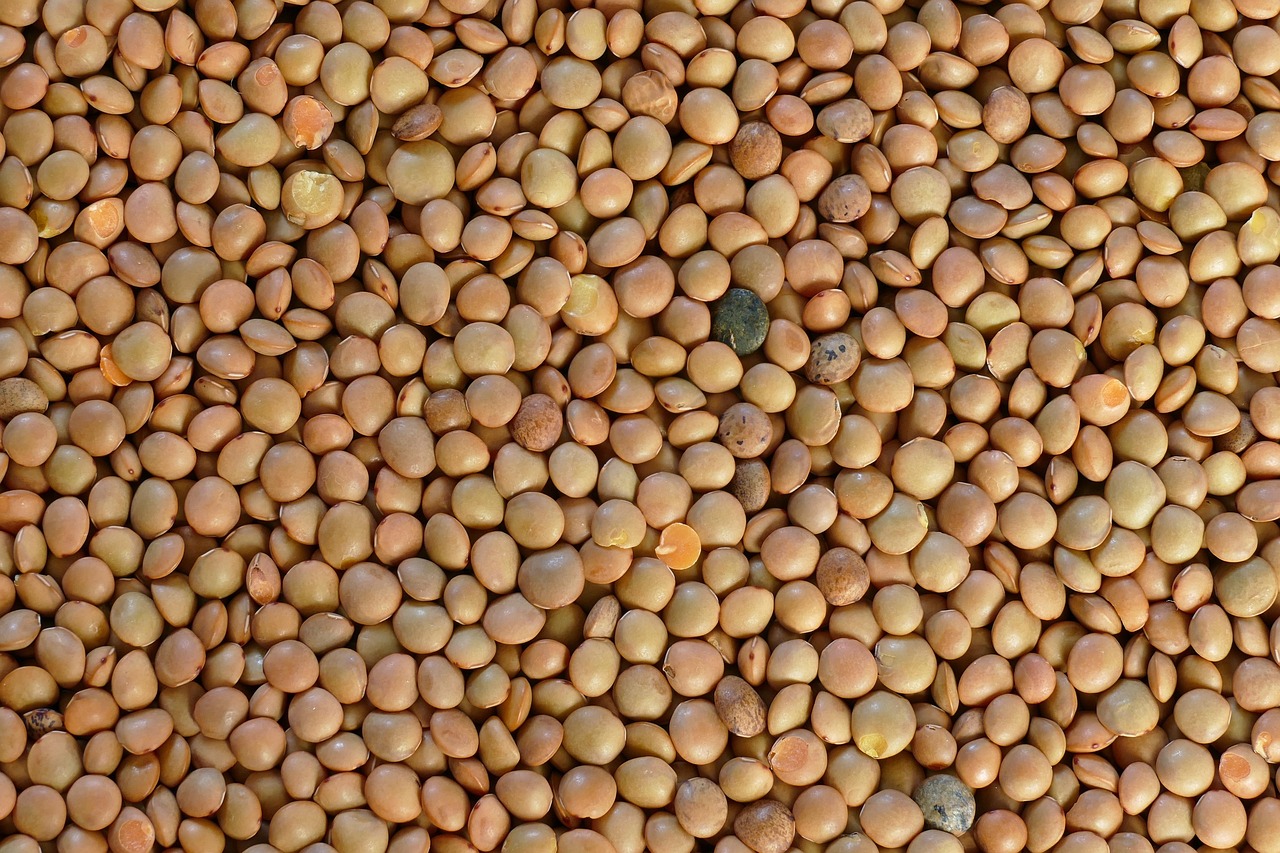
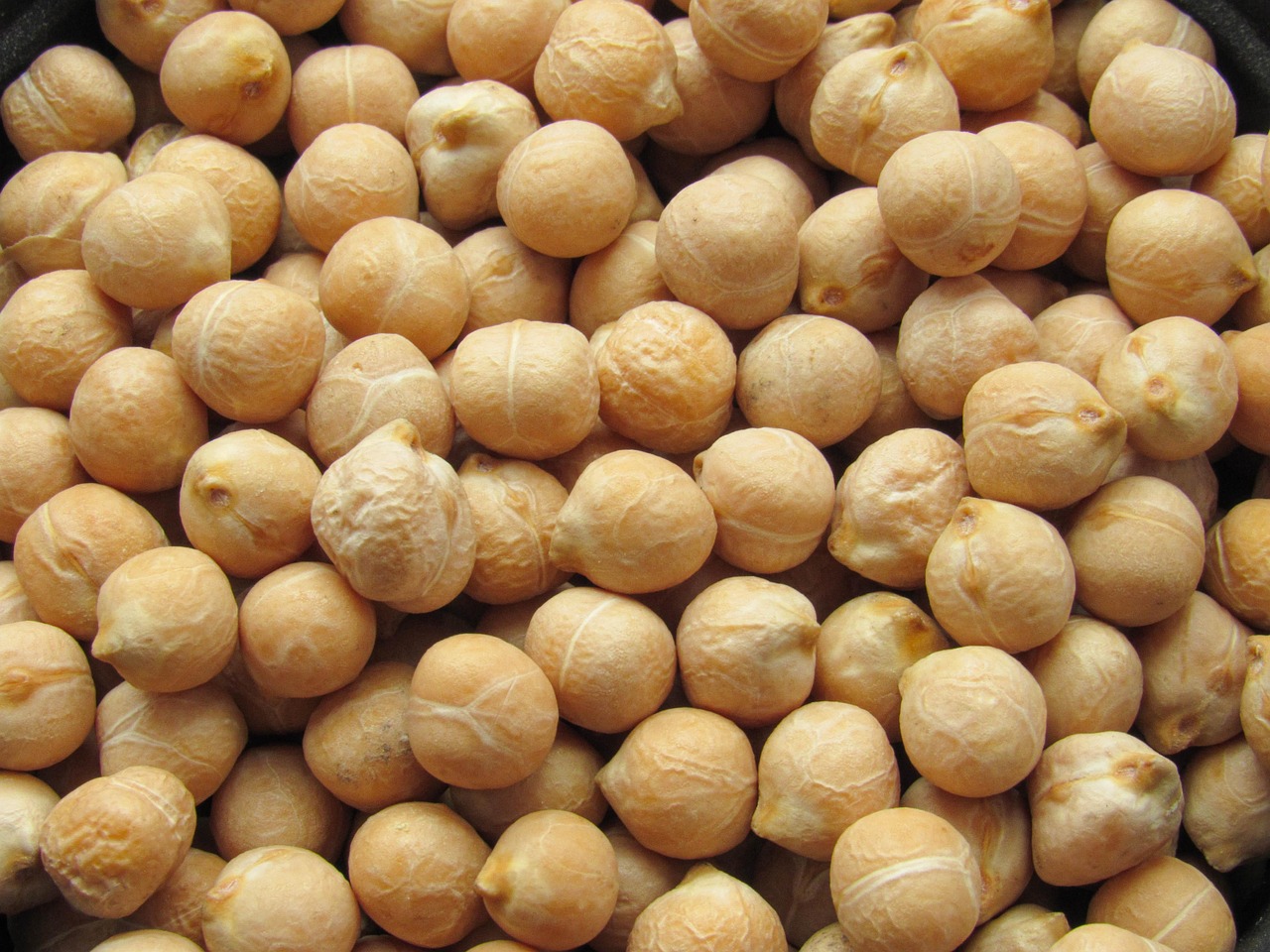
The project cultivates a diverse range of crops, including:
Each crop is carefully selected to maximize both productivity and market demand, ensuring consistent quality and sustainable yield.
The Greenhouse
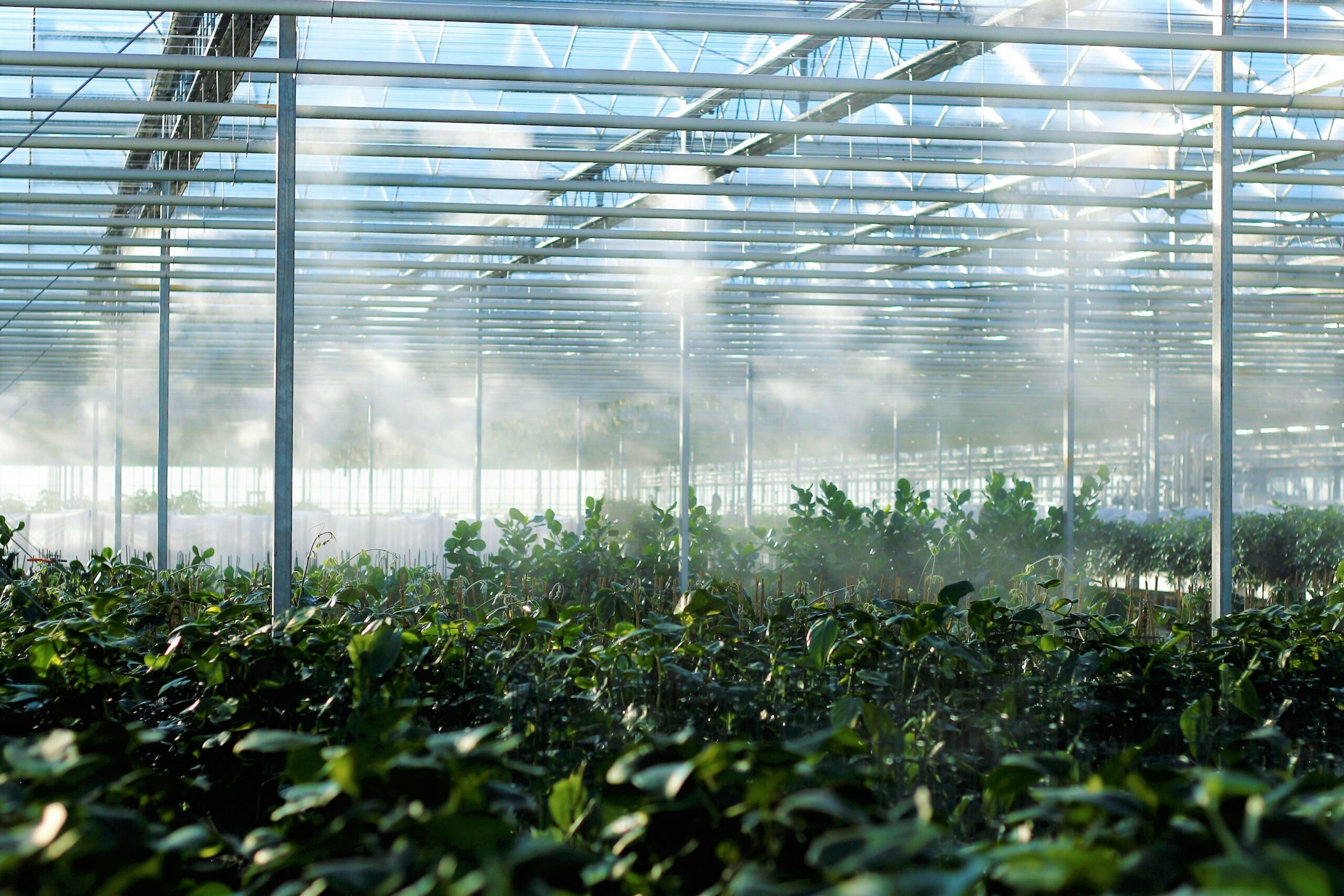
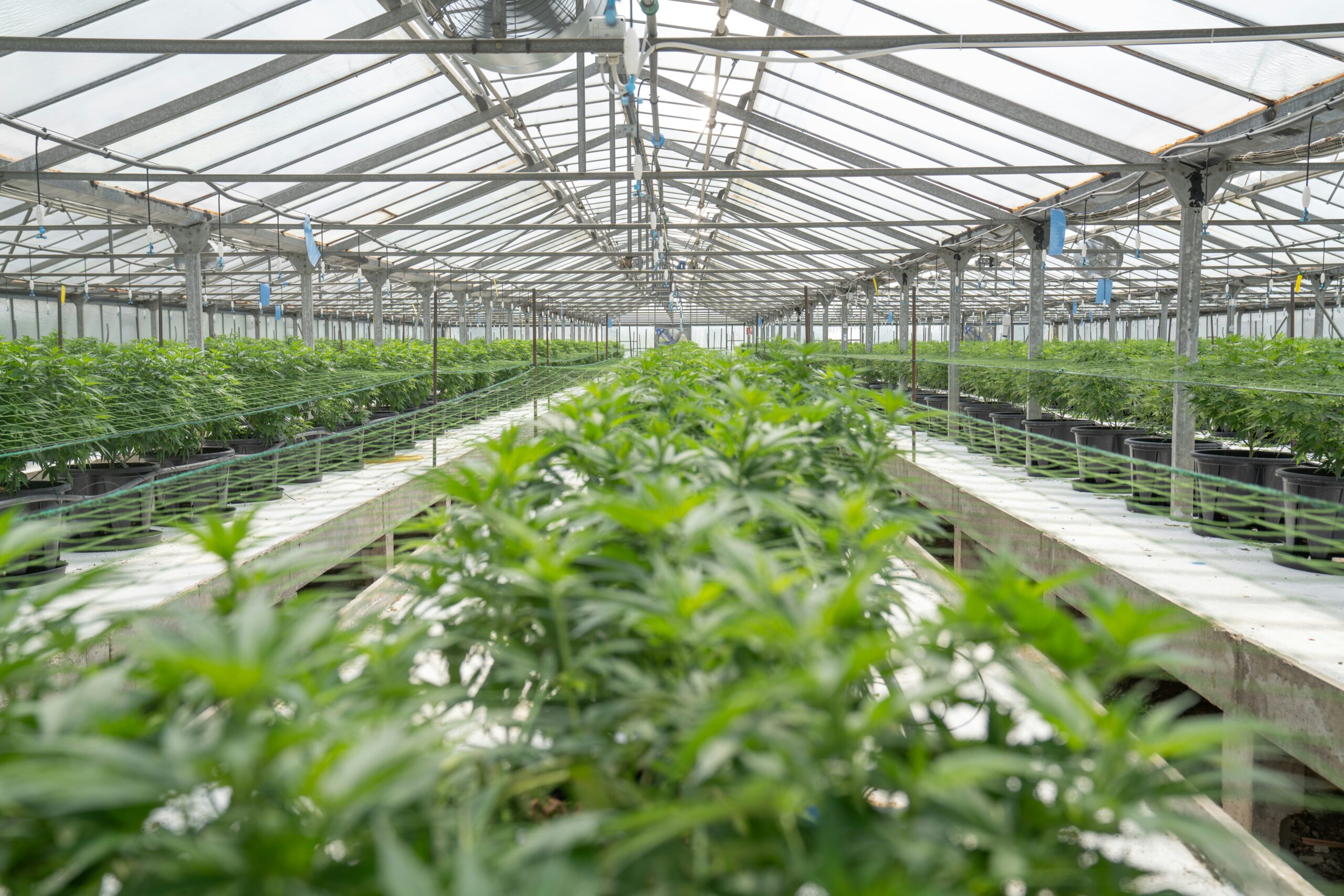
Occupying 4 dunams of land, the greenhouse is one of the most advanced agricultural facilities in Syria.
It is fully equipped for the cultivation and propagation of roses, Syrian saffron, and all kinds of vegetable and fruit seedlings.
With its automated temperature, humidity, and irrigation systems, the greenhouse provides ideal conditions for plant growth and year-round production.
Discover what makes our state-of-the-art greenhouse a leading model of modern agriculture in Syria:
Arable Land
Seedling
Stage 1: Seedling Selection
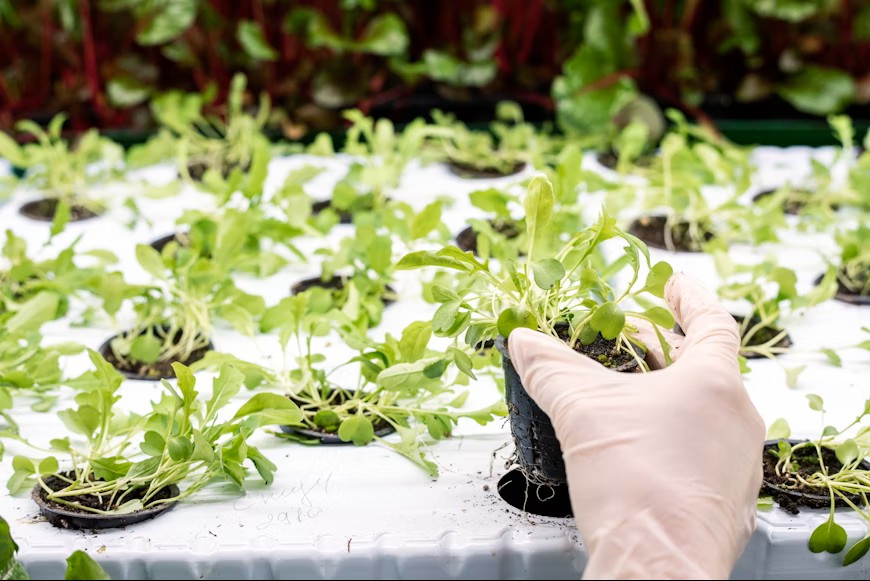
We begin by choosing strong, healthy seedlings free from pests or rot to ensure successful establishment and healthy field growth.
Stage 2: Hardening (Pre-Transplant Conditioning)
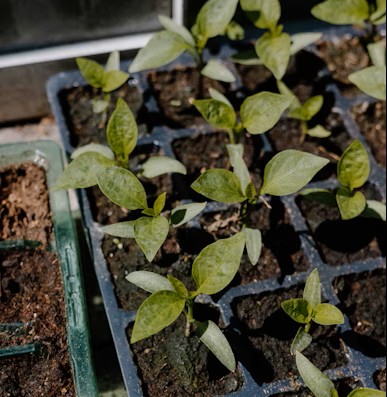
Plants are gradually exposed to sunlight and outdoor conditions to adapt to the field environment and minimize transplant shock.
Stage 3: Nursery Preparation Before Uprooting
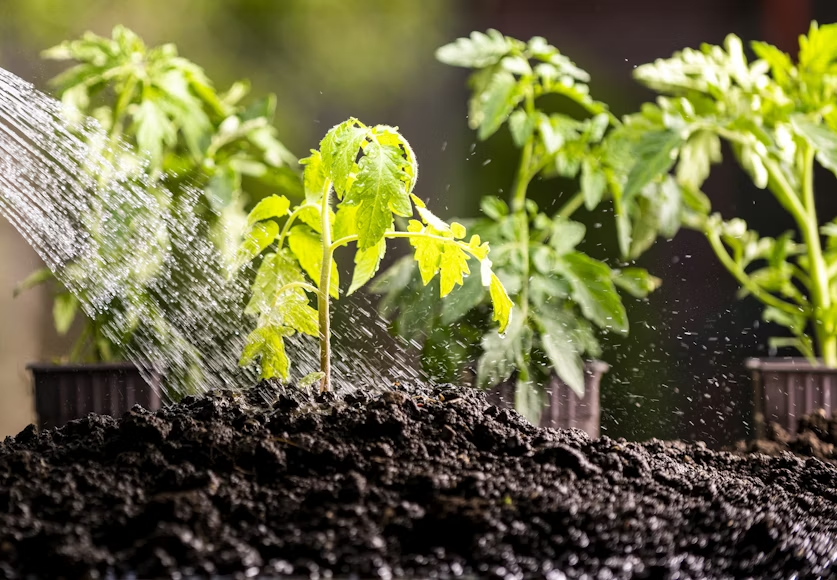
The nursery is irrigated before uprooting to make seedling removal easier and prevent root damage or soil loss.
Stage 4: Preparing the Receiving Soil
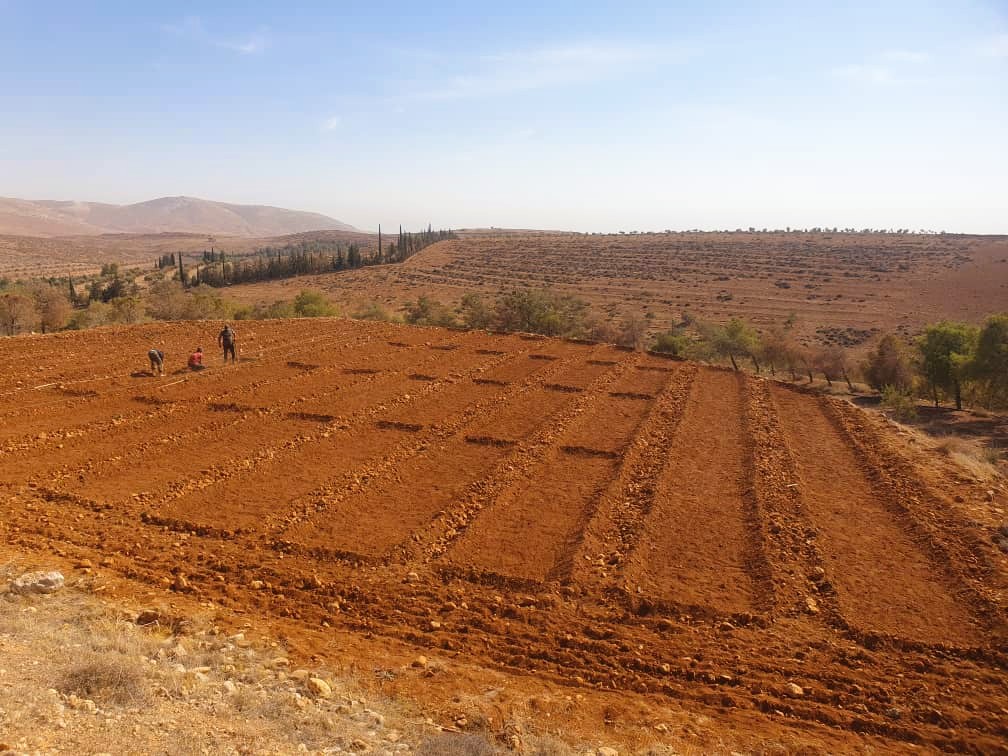
We thoroughly plow and level the soil, add well-decomposed organic fertilizer, and mark planting holes according to crop type and spacing.
Stage 5: Transplanting Process
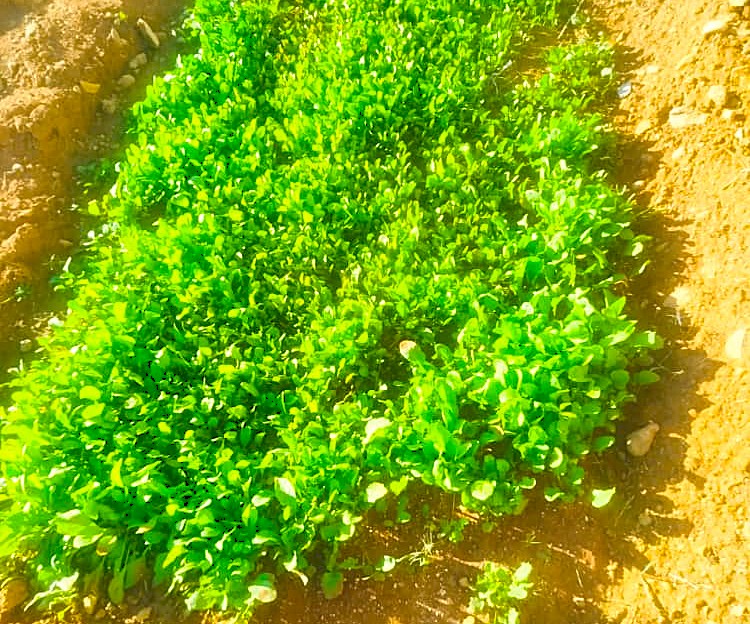
Transplanting is carried out at the optimal time of day—usually early morning or late afternoon—ensuring correct planting depth and maintaining the root ball intact.
Stage 6: Immediate Irrigation
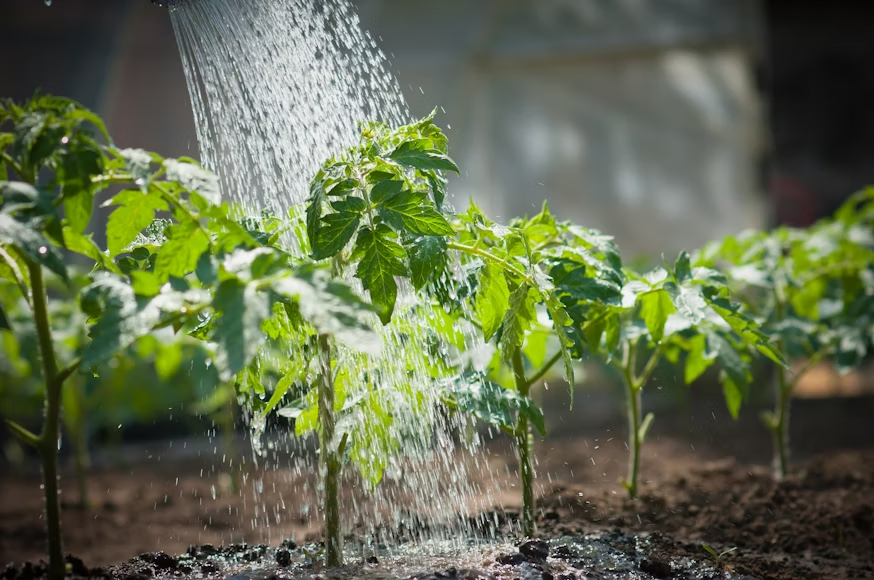
We water the seedlings immediately after transplanting to reduce transplant shock and ensure proper root-soil contact.
Stage 7: Post-Transplant Care
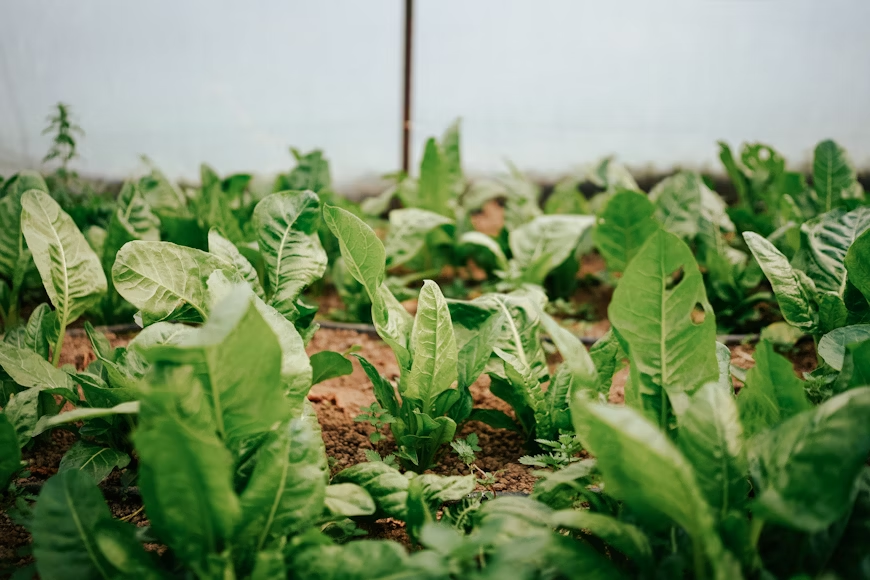
Ongoing care includes temporary shading, consistent irrigation, and close monitoring for signs of stress or disease until strong root establishment and vigorous growth occur.